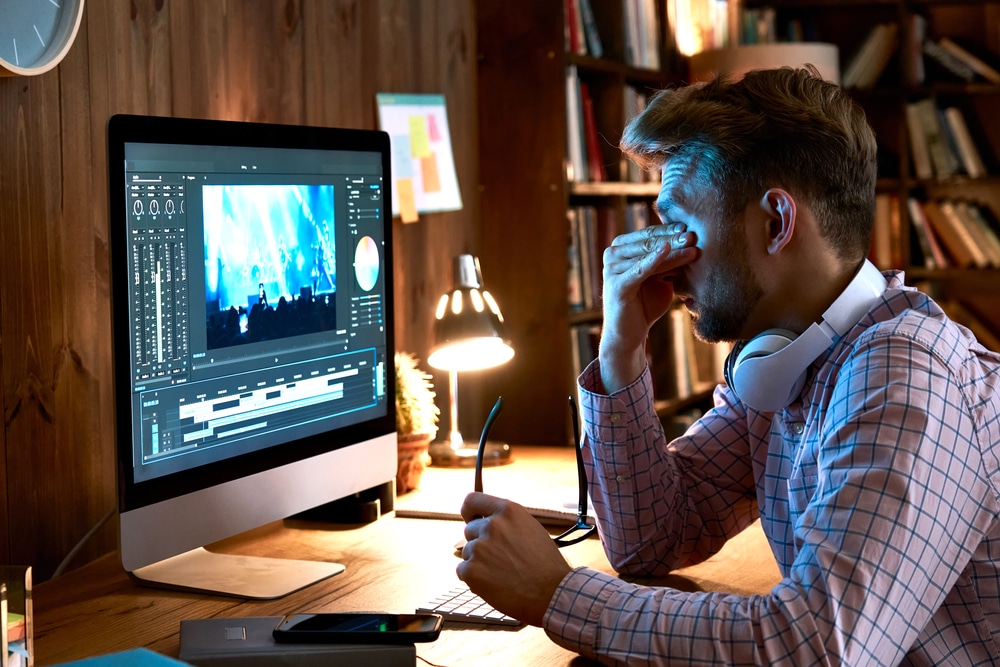
When the eyes drift out of alignment in adulthood, the experience is often immediate and disorienting. A child’s developing brain can suppress the image from the misaligned eye, but an adult’s mature visual system processes both images at once. The result is double vision that interferes with reading, driving, and even casual conversation across a room.
Adult strabismus is its own clinical category. While the underlying mechanics involve the same six muscles that control each eye, the way symptoms present, the causes, and the treatment approach differ sharply from those in children. That difference is exactly why adults benefit from a provider who has spent a career working specifically on adult cases.
How Adult Strabismus Differs from Childhood Cases
The clearest difference shows up in symptoms. Children with strabismus rarely experience persistent double vision because their developing brains learn to ignore the image from the turned eye. Over time, that suppressed eye can become amblyopic, or “lazy.”
Adults do not have that option. The mature brain tends to process both images, leading to double vision, eye strain, and headaches. Many adults also start tilting or turning their heads to compensate, often without realizing it.
Treatment must account for a fully formed visual system that has been operating one way for decades. Adjustments that work cleanly in a six-year-old can produce different outcomes in a forty-five-year-old, which is why adult strabismus is treated as its own subspecialty.
What Causes Strabismus in Adults?
Medical Conditions
Diabetes can damage the nerves that control eye muscles. Thyroid eye disease causes inflammation and impairs muscle movement. Myasthenia gravis, a neuromuscular disorder, causes variable muscle weakness that often worsens over the course of the day.
Neurological Events and Injury
Strokes, head trauma, and brain tumors can disrupt the neural pathways that coordinate eye movement. These cases require careful evaluation because the underlying neurological cause shapes the treatment plan.
Recurrence of Childhood Strabismus
Adults who had strabismus as children sometimes see the condition return. A surgical correction performed decades earlier may lose its effect, or a muscle imbalance that was managed in childhood can resurface as the eyes age.
Why Specialized Expertise Matters
Adult eye alignment is a narrow field. Most ophthalmologists treat strabismus occasionally, often focusing on pediatric cases. Adult patients benefit from a practice built around the specific challenges of correcting alignment in a mature visual system.
Colorado Eye Consultants offers specialized adult strabismus care led by Dr. Richard Freeman, one of the very few ophthalmologists in the United States who works exclusively on adult strabismus. His career spans 37 years and includes building one of the largest eye alignment practices in the country and completing tens of thousands of alignment correction procedures. He completed fellowship training at UCLA’s Jules Stein Eye Institute and has been recognized as an Honorary Orthoptist by the American Association of Certified Orthoptists.
The team at Colorado Eye Consultants supports patients through diagnosis, treatment planning, and long-term follow-up. Treatment options include eye muscle surgery, prism lenses, botulinum toxin injections, and targeted vision therapy, matched to each patient’s specific cause and goals.
Are you living with double vision or noticing your eyes drifting out of alignment? Schedule an appointment at Colorado Eye Consultants in Littleton, CO, today.