A teenager who suddenly struggles to find their seat in a dark movie theater, or an adult who starts avoiding evening drives because streetlights and headlights blur together, may be showing the first signs of a condition that often goes unnoticed for years.
Keep reading to learn how retinitis pigmentosa affects the retina and what treatment options are available for people living with it.
What Is Retinitis Pigmentosa?
Retinitis pigmentosa, or RP, is not a single disease but a group of inherited conditions that cause the retina’s light-sensitive cells to break down over time. Because it’s genetic, most people are born with the genes that cause RP even though symptoms don’t usually appear until childhood or adolescence.
The earliest sign is typically trouble seeing in low light or at night, followed by a gradual loss of peripheral vision. Over time, the field of vision narrows until only central, tunnel-like vision remains. Sensitivity to bright light and changes in color vision are also common. Unlike macular degeneration, which damages central vision first, RP tends to take away side vision and night vision before affecting what’s directly in front of the eyes.
Diagnosing RP Early
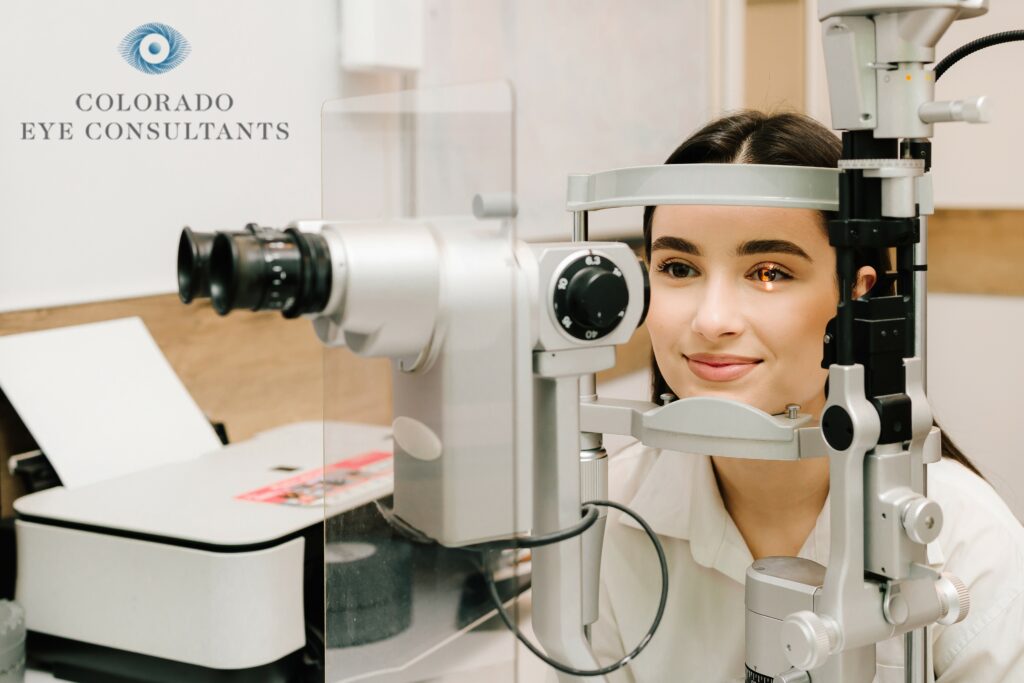
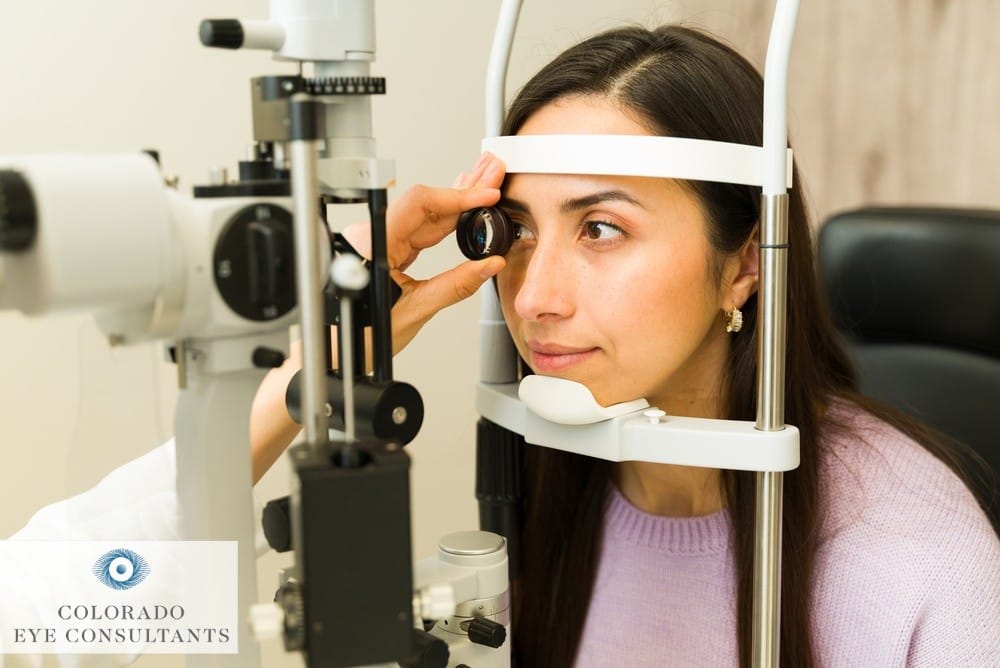
RP is usually identified during a comprehensive dilated eye exam, when an ophthalmologist can examine the retina directly for the pigment changes and cell loss that give the condition its name. Several additional tests help confirm the diagnosis and track how it progresses:
- Electroretinography (ERG), which measures how well the retina responds to light
- Optical coherence tomography (OCT), which creates a detailed image of retinal layers
- Fundus autofluorescence imaging, which uses light to highlight changes in retinal tissue
- Genetic testing, which identifies the specific gene involved and can help predict how symptoms may change over time
A genetic counselor can also help patients understand the likelihood of passing RP to their children, since the condition is linked to many different genes and inheritance patterns.
How Is Retinitis Pigmentosa Treated?
There is currently no cure for RP, but that doesn’t mean nothing can be done. Treatment focuses on preserving remaining vision and helping patients adapt as the condition progresses.
Low vision aids and vision rehabilitation training are the foundation of care for most patients. These range from magnification devices and specialized lighting to orientation and mobility training that helps people navigate safely as their field of vision narrows.
Nutrition also plays a role for some patients. Vitamin A has been shown to slow vision loss in common forms of RP, but patients should take it under a doctor’s supervision because high doses can cause liver problems. Fish oil and lutein supplements may offer additional benefit, though the right combination depends on the specific type of RP involved.
Research into gene therapy, cell-based treatments, and new medications continues to expand what’s possible for RP patients. While most of these approaches remain in clinical trials rather than standard practice, this is meaningful progress for a condition that had few treatment options even a decade ago. Patients interested in participating in a trial can talk with their ophthalmologist about current eligibility.
Managing Related Eye Health as RP Progresses
People with RP face a higher likelihood of developing other eye conditions, including cataracts and refractive errors, which can compound the vision changes already caused by RP itself. Catching and treating these secondary issues early can make a meaningful difference in day-to-day vision.
Staying consistent with eye exams allows an eye doctor to track subtle changes over time and adjust recommendations as needed. Colorado Eye Consultants brings experienced, board-certified specialists to that long-term monitoring, helping patients make the most of their vision at every stage.
Noticing changes in night vision or side vision? Schedule an appointment at Colorado Eye Consultants in Littleton, CO, today.